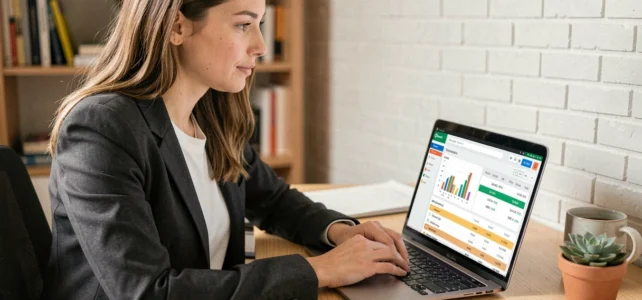
Every month, the same routine: open a spreadsheet, find the invoices sent, check the accumulated revenue, prepare the URSSAF declaration. For a sole proprietor, these administrative tasks eat up hours that could be spent finding clients or producing. Accounting software dedicated to micro-entrepreneurs does not replace an accountant, but it takes care of the repetitive part of the work.
Electronic Invoicing 2026-2027: What Sole Proprietors Need to Anticipate Now
Since September 1, 2026, all businesses subject to VAT must be able to receive electronic invoices in structured format. For micro-entrepreneurs, the obligation to issue is postponed to September 1, 2027. This transitional phase changes the game in choosing a tool.
Specifically, a sole proprietor working with French companies (B2B) must already be able to process the electronic invoices received from their suppliers. The right reflex is to choose a software compatible with the expected format now, rather than migrating in a hurry next year.
A point often misunderstood: transactions with individuals or clients based abroad are not affected by this reform. If your activity mainly relies on B2C or international transactions, you can avoid over-dimensioning your tool. However, for those who invoice other businesses in France, exploring the solutions from Auto-Entrepreneur du Web allows you to check which tools already integrate this regulatory dimension.
The new mandatory mentions on invoices (client SIREN, delivery address, nature of the operation, VAT option) make invoicing software almost necessary. Manually entering this data on each invoice multiplies the risks of error and non-compliance.

Concrete Criteria for Choosing Accounting Software for Sole Proprietors
You may have noticed that most comparisons list dozens of features without hierarchy? In practice, a micro-entrepreneur needs three reliable things, not fifteen gadgets.
Bank Synchronization and Automatic Categorization
Synchronization with your business bank account is the first real time-saver. The software retrieves your transactions, categorizes them (equipment purchase, billed service, subscription), and you just have to validate. Without this function, you would have to manually copy each line.
A good tool automatically categorizes more than half of your recurring operations after a few weeks of learning. Check that the software you are considering connects to your bank, as some institutions are not compatible with all tools.
Revenue Tracking and Threshold Alerts
The micro-entrepreneur regime imposes revenue caps. Exceeding them leads to a change in tax regime. Dedicated software displays your cumulative revenue in real-time and alerts you as you approach the threshold.
This automated tracking avoids unpleasant surprises at the end of the year. It is also a useful benchmark for adjusting your activity: deliberately slowing down at the end of the period or anticipating a transition to a company.
Invoice Compliance and Archiving
An non-compliant invoice can be rejected by a professional client or cause issues during an audit. The software generates documents that comply with the current legal mentions, including the new requirements related to electronic invoicing.
Secure digital archiving is another point not to be overlooked. Retaining invoices for ten years is a legal obligation. A spreadsheet on your computer does not guarantee the longevity or integrity of the files.
URSSAF and VAT Declaration: Automate Without Losing Control
Why does this topic deserve special attention? Because the revenue declaration to URSSAF remains the most frequent formality for a sole proprietor (monthly or quarterly), and it is the one where an error costs the most in penalties.
Accounting software dedicated to micro-entrepreneurs pre-fills your declaration from the data already entered. You check the amount, you validate. The declaration time goes from several dozen minutes to just a few clicks.
For VAT, the situation depends on your regime. If you benefit from the basic exemption, you have nothing to declare. If you have exceeded the threshold and are liable, the software calculates the VAT collected and deductible, then prepares the form.
- Check that the software distinguishes between VAT-applicable operations and those that are exempt, especially if you have a mixed activity.
- Ensure that the tool integrates the applicable VAT rates for your sector (the reduced rate for certain services, for example).
- Verify that the transmission is done directly to the tax portal, without manual re-entry.
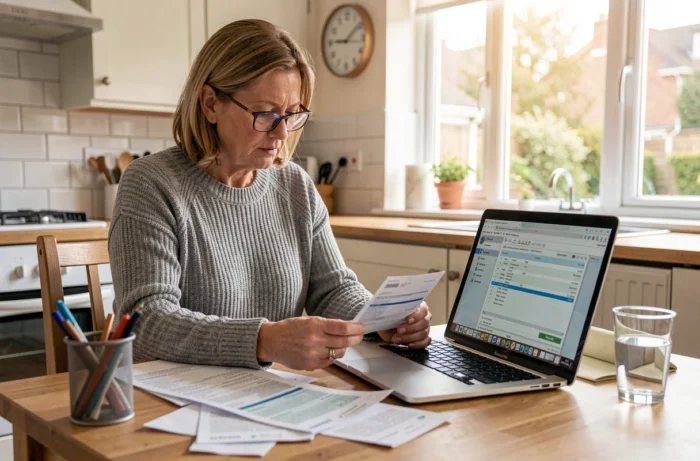
Free or Paid: What You Really Get at Each Level
Several software options offer a free version. Before committing, understand what “free” means in practice.
Free versions generally cover invoice creation and basic revenue tracking. This is sufficient for an activity with few transactions per month. Bank synchronization, threshold alerts, and assistance with declarations are almost always reserved for paid versions.
Paid subscriptions for tools dedicated to sole proprietors remain accessible. The price difference between offers mainly reflects the level of automation and the quality of customer support. A rarely mentioned criterion: the responsiveness of support in case of a bug during a declaration period. A tool that crashes on the day of your URSSAF deadline without quick assistance costs you more than its monthly subscription.
- Free version: compliant invoicing, manual revenue tracking, limited archiving.
- Intermediate version: bank synchronization, automatic categorization, accounting export.
- Full version: pre-filling of declarations, VAT management, priority support, electronic invoicing compatibility.
The choice depends on the volume of your activity. A sole proprietor who issues three invoices a month does not have the same needs as a service provider with several dozen recurring clients.
The reform of electronic invoicing makes the subject more concrete than before: choosing a suitable tool now avoids a forced migration in a year. Take the time to test two or three software during their trial period, with your real data. It’s the only way to know if the interface and automations match your work rhythm.