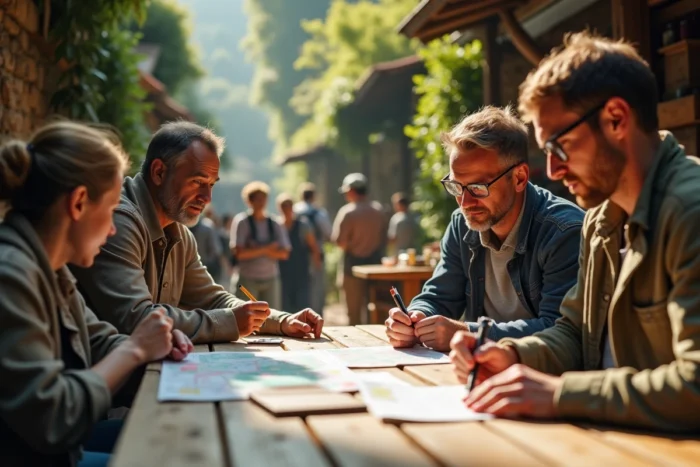
Some activities leave a deeper mark than others. Not because they are spectacular, but because they change the way we view a place, a craft, or a landscape. This top 10 list of must-try activities features concrete experiences chosen for their ability to spark curiosity, whether in France or elsewhere. The main criterion: leaving with a new understanding.
1. Local cooking workshop with a regional chef
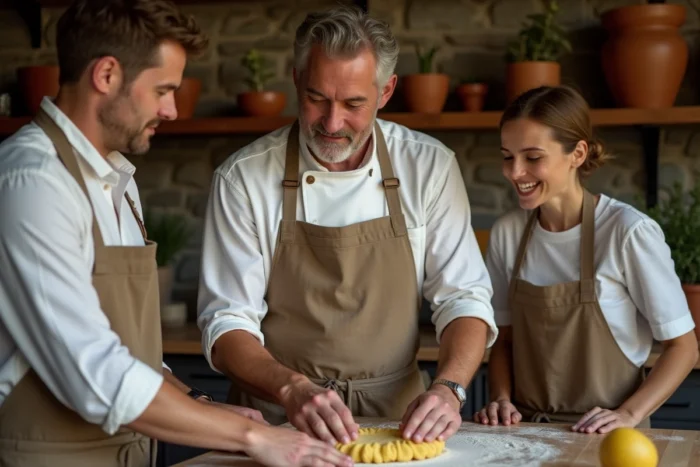
Preparing a regional dish alongside a local cook is learning the geography of an area through flavors. A local cooking workshop is not just about following a recipe: it tells the story of an ingredient, a soil, an agricultural tradition.
GetYourGuide predicts a significant rise in immersive and educational experiences sought by travelers by 2026, particularly cooking classes and artisan workshops. The format works well for families as well as solo travelers.
Among the must-see discoveries on 1001 Découvertes, this type of workshop ranks highly, as it combines hands-on learning with the pleasure of taste.
2. Guided walking tour by a local
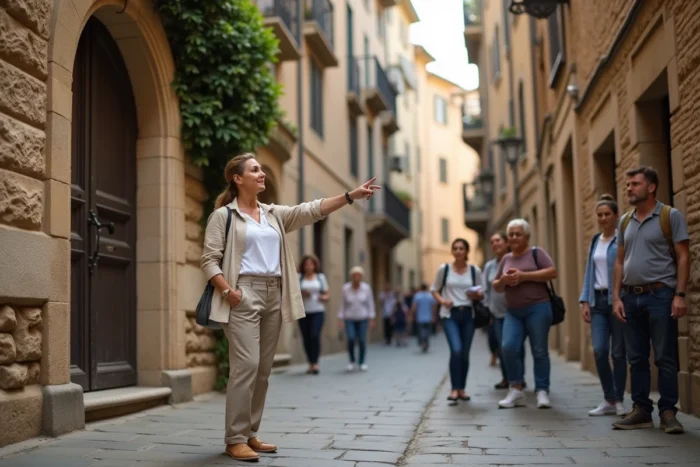
Have you ever noticed that traditional guided tours often miss what makes a neighborhood vibrant? Walks guided by locals change the game. A resident shares anecdotes absent from guidebooks, shows a hidden courtyard, explains why a certain business has survived three generations.
This thematic format (street art, labor history, street food) allows you to discover a city at the pace of a walker, without a screen in between. Paris, Lyon, or Marseille offer this type of tour, but medium-sized cities are getting in on it too.
3. Tasting at a vineyard
The global wine tourism industry is projected to grow annually by 13.4% from 2026 to 2033, with a market estimated at $57.4 billion in 2026. Europe remains a leader in this field.
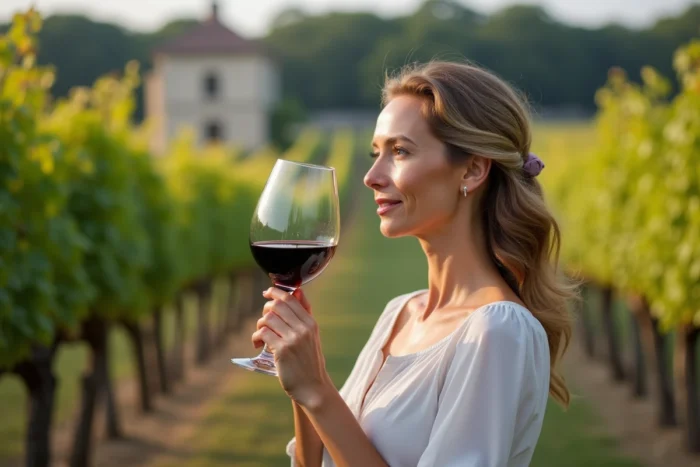
A tasting at a vineyard is not just about sampling wine. It teaches you how to read a terroir, the difference between a grape variety and an appellation, and the role of climate in a vintage. In Champagne, Burgundy, or Languedoc, understanding what you drink transforms the pleasure of the table.
4. Hiking on an off-the-beaten-path trail
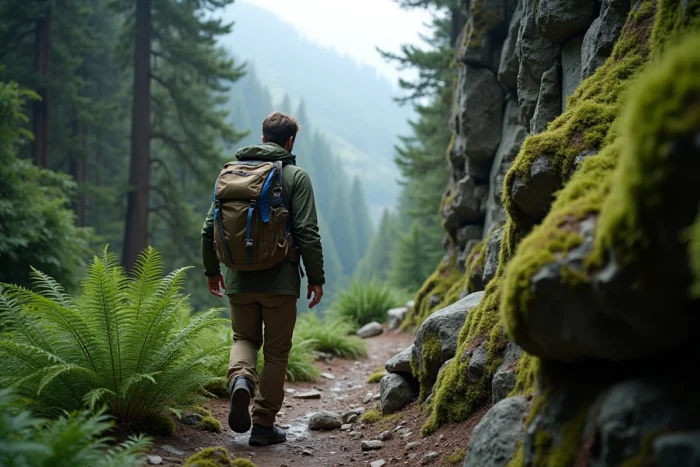
Off-the-beaten-path trekking destinations cater to a quest for authentic adventure and slow discovery. Away from tourist queues, these routes offer direct contact with local wildlife, flora, and geology.
Why this choice in a ranking focused on curiosity? Because an infrequently traveled path forces you to observe. You spot animal tracks, identify a tree, understand the terrain. Slow walking sharpens attention better than an audio guide.
5. Exploring an interactive museum with family

An interactive museum is not just visited; it is experienced. Children touch, manipulate, and test. Adults rediscover scientific or historical principles through action rather than reading.
This format works particularly well for families, as it removes the barrier of boredom. The museum becomes an educational playground. Several cities in France offer spaces designed for this approach, from the Palais de la Découverte to regional science museums.
6. Kayaking or paddleboarding on a body of water
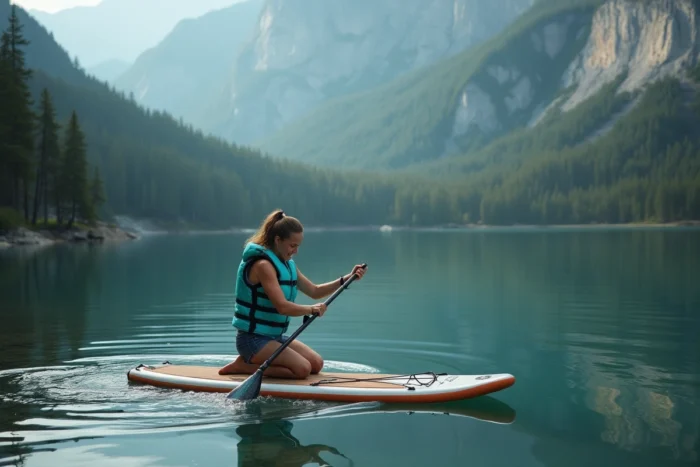
Seeing a landscape from the water radically changes the perspective. A kayaking trip on a river or lake allows access to areas invisible from the shore: caves, cliffs, coves.
The activity does not require exceptional physical condition. It is suitable for beginners and can be practiced from spring onwards. Here’s what it concretely offers:
- A unique viewpoint on the geology and vegetation of the banks
- A moderate physical effort that keeps attention focused on the environment
- Wide accessibility, including for children from six years old
7. Stargazing in a rural area

Light pollution prevents most French people from seeing the Milky Way from their homes. Traveling to an area with low light pollution is enough to rediscover a sky that our grandparents saw every evening.
Local associations organize stargazing evenings with telescopes and explanations. No equipment is needed: the guidance of an amateur astronomer transforms a simple glance upward into an accessible astrophysics lesson.
8. Participation in a heritage restoration project
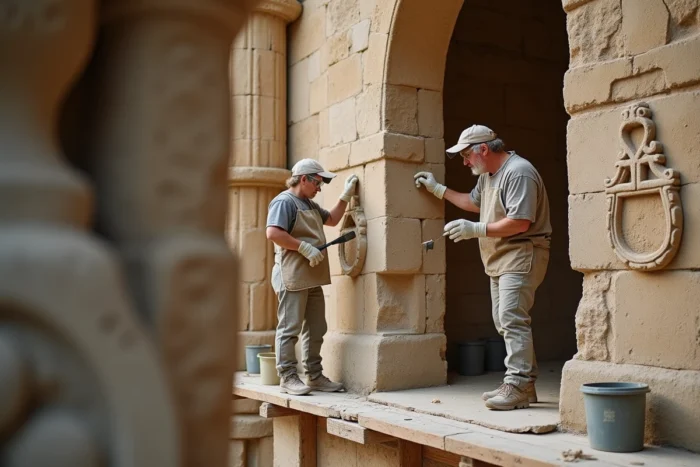
Placing stones, redoing a lime plaster, clearing an archaeological site: participatory heritage restoration projects allow you to learn ancient technical skills while contributing to the preservation of a site.
This type of activity attracts a diverse audience, from students to retirees. Working physically on a monument creates a connection with local history that no passive visit can replicate. Several associations in France offer sessions ranging from one day to a week.
9. Discovering a local market early in the morning
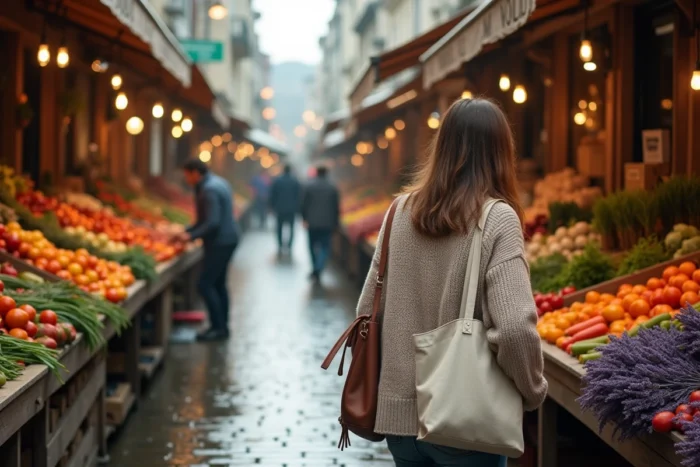
A market visited at opening time tells the economic life of an area. You meet producers, taste before buying, and ask questions about cultivation or breeding methods.
This is not a spectacular activity, but it is one of the most educational. It is suitable for all ages and costs nothing. The local market remains the most direct way to understand what a terroir produces.
10. Outdoor photography workshop
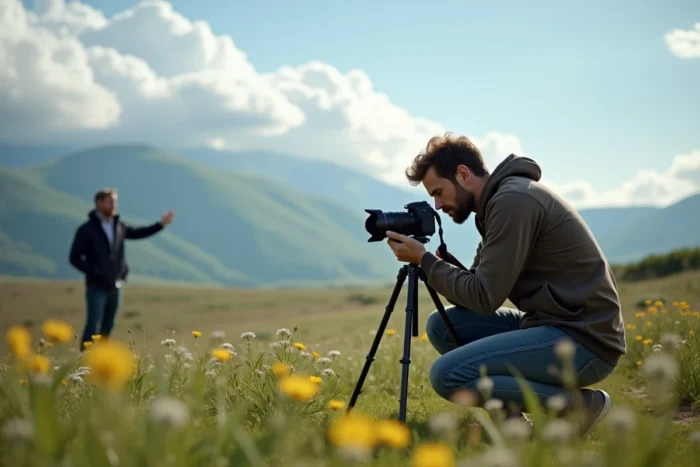
Learning photography outdoors forces you to look differently. Light, framing, depth of field become tools for analyzing a landscape, architecture, or a face.
A workshop led by a professional photographer accelerates learning. In just a few hours, you go from souvenir photography to intentional photography. The benefits extend beyond the workshop: you continue to observe with greater precision long after.
These ten activities share a common point: they require active participation. Just looking is not enough; you must taste, walk, touch, or frame. It is this physical and mental involvement that transforms an ordinary outing into a lasting discovery.