
Creating unique and trendy clothing relies on precise technical choices, from textile sourcing to regulatory compliance. Every decision – fabric, pattern, finishing – directly influences the positioning and viability of a collection. Here are ten concrete tips, listed in no particular order, to structure a coherent textile creation approach.
1. Define a flagship product before multiplying references
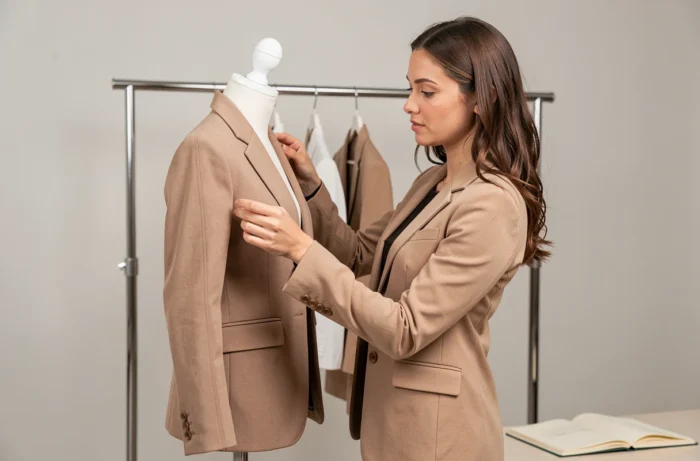
Launching an entire collection from the start dilutes resources. Focusing efforts on a signature piece (jacket, dress, technical pants) allows testing the market without mobilizing an excessive production budget.
This flagship piece serves as a showcase: it carries the brand’s identity, validates the price positioning, and generates initial customer feedback. Once this product is stabilized, expanding the range becomes clearer for both customers and suppliers.
To successfully create clothing at this stage, iterative prototyping remains the most reliable method: produce three to five versions before finalizing the model.
2. Source traceable raw materials
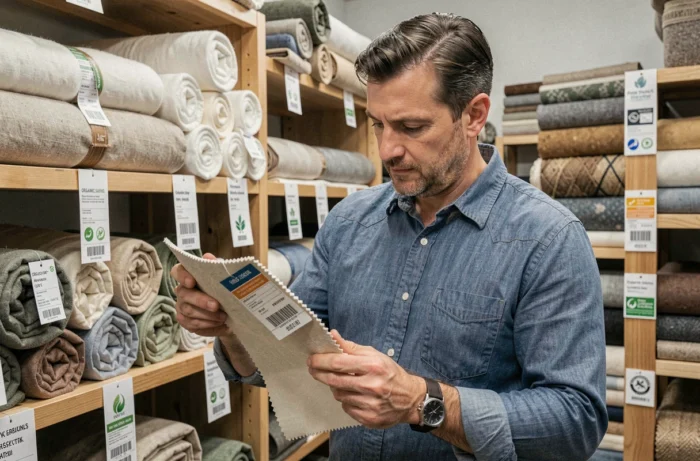
The choice of fabric determines the drape, durability, and cost of the garment. Prioritizing suppliers who can document the origin of the fiber (growing location, spinning, dyeing) provides a measurable competitive advantage.
Textile traceability is becoming a regulatory requirement, not an optional marketing argument. The European regulation ESPR (Ecodesign for Sustainable Products Regulation) gradually imposes a digital product passport that details the composition, durability, and recyclability of each textile item.
3. Master digital pattern-making

Pattern-making determines the cut, comfort, and fabric consumption. CAD software (Lectra, Gerber, Optitex) allows simulating the drape of a garment before cutting any fabric.
This step significantly reduces material waste and speeds up back-and-forth with the manufacturer. A well-graded pattern across multiple sizes also avoids costly adjustments during production.
4. Check anti-greenwashing compliance before communicating

The directive (EU) 2024/825 prohibits vague environmental claims such as “eco-friendly,” “sustainable,” or “green” without verifiable proof and recognized methodology starting September 27, 2026. A young brand claiming “sustainable collection” without public data risks being classified as engaging in unfair commercial practices.
Points to monitor before any communication:
- Promises of “carbon neutrality” based solely on offset credits (without measured emission reductions in the value chain) will be restricted or banned.
- Labels or “in-house” logos invented by the brand to suggest environmental performance, without independent certification, will be regulated or even banned.
- Each claim must refer to a documented methodology accessible to the consumer.
5. Budget production per unit before setting the selling price

The selling price derives from the unit cost, not the other way around. Adding fabric, supplies, manufacturing, transport, labeling, and packaging gives the floor cost. The markup then depends on the sales channel (retail, e-commerce, wholesale).
A poorly calculated garment upfront generates losses on each unit sold. It’s better to have a rigorous spreadsheet before launch than to reposition pricing after the first orders.
6. Test the market through online presales

Presales limit the risk of overstock. Offering a model for pre-order on an online store allows measuring actual demand before launching production.
This format works particularly well for small series and high-value items. It finances part of the production upfront and creates a scarcity effect that strengthens positioning.
7. Build a precise specification sheet for the manufacturer

An incomplete technical file generates back-and-forth, delays, and quality discrepancies. The specification sheet must include the graded pattern, sewing specifications (type of stitch, sewing value, topstitching), exact supplies, and dimensional tolerances.
The more detailed the technical file, the less the manufacturer interprets, and the less the prototypes diverge from the expected model. It’s a time investment that pays off from the first production.
8. Integrate the digital product passport from the design stage

The ESPR regulation provides for a digital passport for textile products, detailing composition, durability, and recyclability. Anticipating this requirement from the design phase avoids having to reconstruct data afterward.
Collecting traceability information (fiber origin, certifications, test results) throughout product development simplifies compliance. Brands that structure this data early also have a transparency argument with customers.
9. Photograph the collection in a real-use context

Product visuals condition the online conversion rate. A photo on a white background shows the cut, but a lifestyle shot shows the lifestyle associated with the garment. Both are complementary.
Planning the shoot as soon as the first production samples are received (not on prototypes, which may differ) ensures visuals that are true to the final product. A discrepancy between the photo and the received garment fuels returns and undermines trust.
10. Document every decision to iterate on the next collection

Each collection produces actionable data: sales rates by model, customer feedback, supplier lead times, quality discrepancies. Recording this information in a structured document (spreadsheet or collection management tool) transforms experience into a competitive advantage.
Brands that progress the fastest are those that document their mistakes as much as their successes. A fabric that pills after three washes, a zipper that breaks, a size that runs too large: each feedback informs the specification sheet for the next season.
Creating unique clothing relies less on inspiration than on the rigor of technical and regulatory processes. With the anti-greenwashing directive applicable from September 2026 and the digital product passport in preparation, brands that structure their approach from the design stage have a head start over those that improvise.